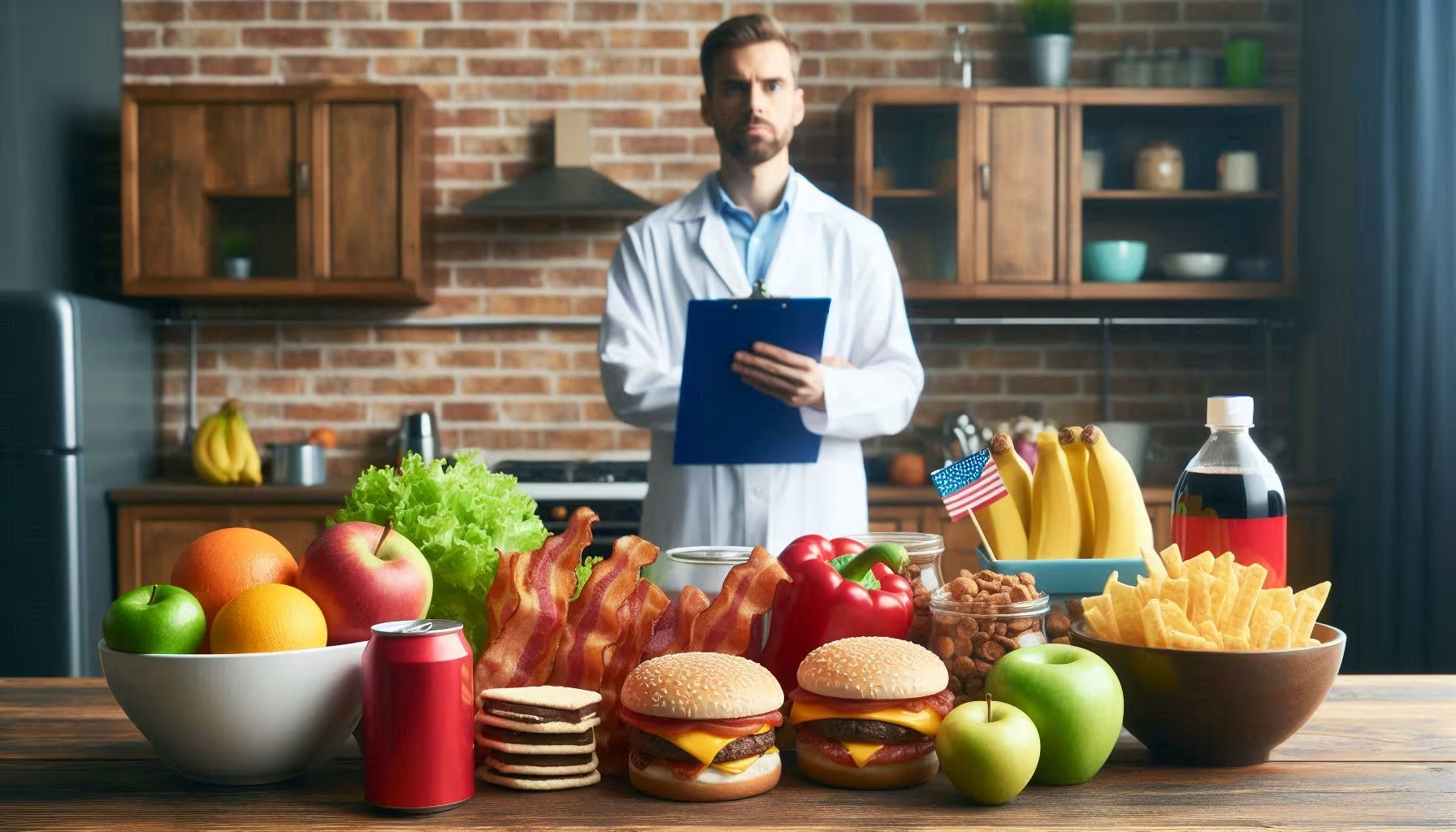
Introduction
In a country where food is culture and convenience reigns, it’s no surprise that Americans have developed strong attachments to certain dishes and snacks. But what if some of your favorite comfort foods are slowly sabotaging your health?
From sizzling bacon to towering cheeseburgers and soda-fountain soft drinks, many beloved staples are now being red-flagged by nutritionists.
Read this full article to discover what popular American foods experts warn against, why they’re harmful, and what healthier swaps you can make starting today.
Popular American Foods and Their Hidden Dangers
| Food Item | What’s Loved | What’s Risky |
|---|---|---|
| Bacon | Crispy, savory flavor | High in saturated fats, sodium, nitrates |
| Cheeseburgers | Hearty and satisfying | Excessive calories, processed cheese, red meat |
| Sugary Breakfast Cereals | Quick, sweet morning fix | Loaded with added sugars, low in nutrients |
| Soda | Fizzy and refreshing | Contains high-fructose corn syrup, no nutrients |
| Potato Chips | Crunchy, addictive snack | High sodium, trans fats, empty calories |
While tasty, these foods often lack the essential nutrients your body actually needs.
Many of them contribute directly to America’s top health issues: obesity, heart disease, and type 2 diabetes.
Even small daily servings can have a compounding effect over months or years.
Why Nutritionists Are Sounding the Alarm
According to registered dietitians, it’s not about depriving yourself—it’s about making more informed, conscious decisions.
• They’re calorie-dense but nutrient-poor
• They often trigger overeating due to low satiety
• Artificial additives and preservatives can harm gut health
• They increase inflammation and chronic disease risk
Understanding the Emotional Bond with Unhealthy Foods
Many of these foods are tied to cherished memories—family barbecues, movie nights, or road trips.
Unfortunately, emotional connections often override health awareness.
| Food-Emotion Connection | How It Impacts Choices |
|---|---|
| Comfort from childhood | Makes you crave it when stressed |
| Fast food and rewards | Associates convenience with success |
| Social settings | Reinforces indulgent habits |
Breaking away from these foods means reprogramming not just your plate, but also your mindset.
How to Wean Off Without Feeling Deprived
• Start with one food at a time
• Try healthier versions (e.g., air-fried instead of deep-fried)
• Explore new flavors to replace emotional attachments
• Involve your family in the process for long-term success
Surprising Alternatives That Taste Just as Good
Good news: you don’t have to sacrifice flavor to stay healthy.
Small swaps can go a long way in improving health and keeping your taste buds happy.
-
Swap bacon for avocado slices or grilled mushrooms – You still get savory satisfaction with heart-healthy fats.
-
Replace soda with sparkling water + lemon – Fizzy and refreshing without the sugar crash.
-
Choose whole grain cereal with fresh fruit – Keeps blood sugar stable and adds fiber.
-
Opt for homemade burgers with lean turkey or plant-based patties – Less saturated fat and more nutrients.
Once you retrain your taste buds, you’ll find joy in healthier choices too.
Conclusion: It’s Time to Rethink What’s on Your Plate
You don’t have to eliminate everything you love, but knowing the truth about these foods can empower you to make smarter decisions. Nutritionists aren’t anti-food—they’re pro-health. By being more mindful, you can still enjoy life without compromising your well-being.
And if you start today, your future self will thank you.
FAQ Section
Q1: Are all processed foods bad for you?
Not all processed foods are harmful. Light processing (like bagged spinach or canned beans) can still be healthy. It’s the ultra-processed foods high in added sugars, sodium, and preservatives that are risky.
Q2: Can I still enjoy fast food occasionally?
Yes, moderation is key. Enjoy it occasionally, not habitually, and try to make the healthiest choice available.
Q3: How can I get my kids to stop eating junk food?
Make healthy foods fun and involve them in grocery shopping or cooking. Avoid using junk food as a reward system.
Q4: What’s the best first step toward eating better?
Start by reading nutrition labels and swapping out one unhealthy food per week. Gradual change is more sustainable.
Q5: Is it okay to eat these foods if I exercise regularly?
Exercise helps, but it can’t fully counteract the impact of poor diet. Nutrition and movement should work hand-in-hand.
Changing your diet is a journey, not a punishment. Start slow, stay consistent, and remember—it’s about progress, not perfection.